

Introduction to Iconic Landmarks
Iconic landmarks in the United States are not merely structures; they epitomize the rich historical and cultural tapestry woven through the nation’s narrative. These sites serve as embodiments of various epochs, showcasing architectural ingenuity while telling compelling stories of the American experience. From majestic bridges to towering skyscrapers, these landmarks represent the aspirations, struggles, and triumphs of the people who built and inhabited them.
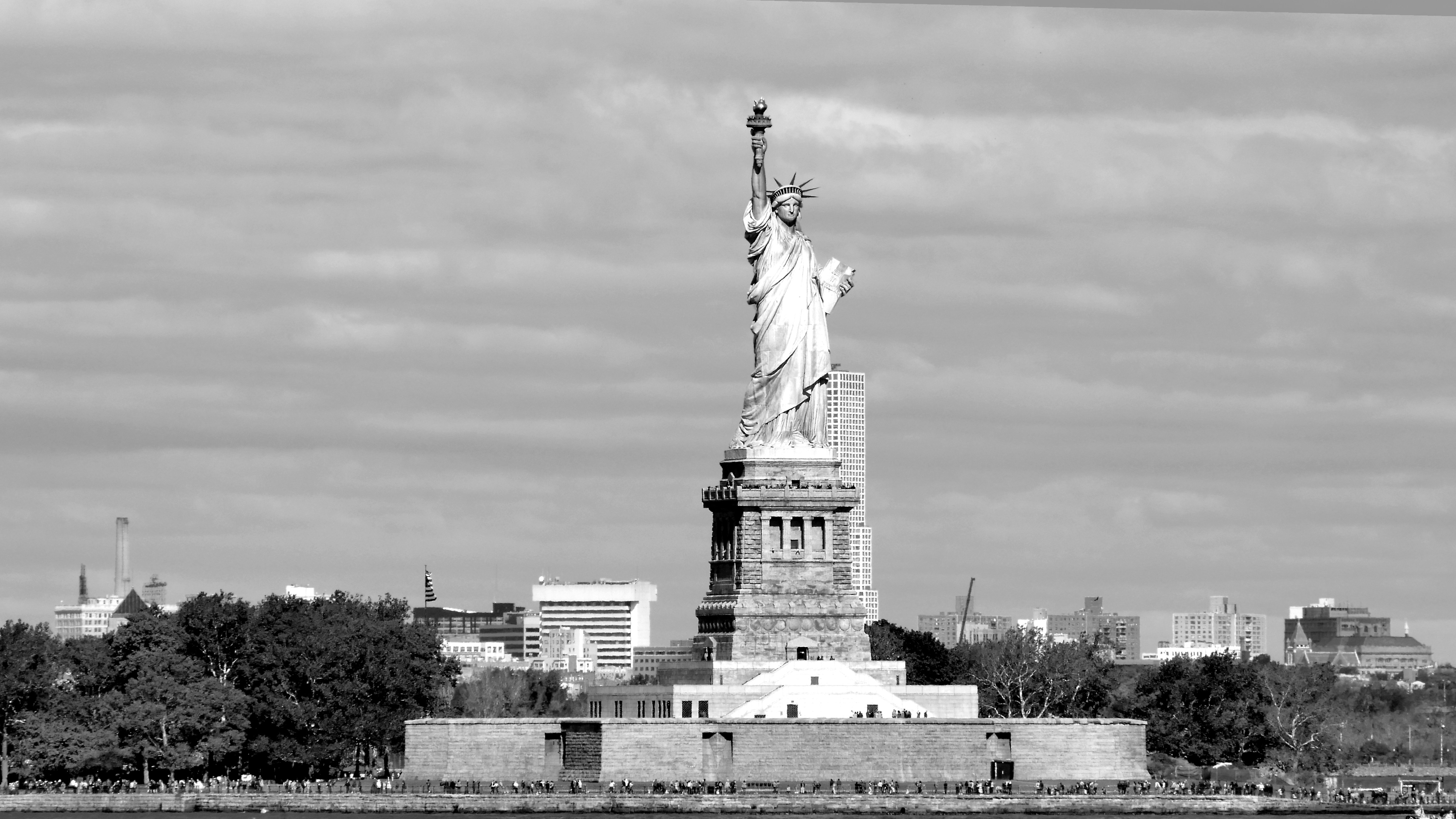
The significance of these landmarks extends beyond their physical attributes. They have evolved into symbols of national pride and identity, often celebrated in art, literature, and media. For instance, the Statue of Liberty stands as a beacon of hope and freedom, welcoming newcomers to the shores of America. Similarly, the Golden Gate Bridge is universally recognized for its aesthetic beauty and engineering brilliance, prompting a sense of belonging among local residents and visitors alike.
These sites also serve as important cultural touchstones, connecting individuals to their heritage and fostering a sense of community. Many iconic landmarks host events and celebrations that reinforce local traditions while attracting tourism. This interplay of culture and commerce ensures that such landmarks remain vibrant and relevant. Therefore, these attractions not only provide leisure opportunities but also encourage educational experiences and deeper understanding of American values.
In a diverse nation such as the United States, the exploration of iconic landmarks reveals a mosaic of stories reflecting varied experiences. Each landmark contributes uniquely to the national narrative, inviting individuals from around the globe to appreciate the history and culture they embody. Consequently, visiting these sites becomes a rite of passage for many, as they seek to connect with the essence of the American landscape.
The Statue of Liberty
The Statue of Liberty, a magnificent symbol of freedom and democracy, stands proudly on Liberty Island in New York Harbor. Gifted to the United States by France in 1886, this monumental statue was designed by the French sculptor Frédéric Auguste Bartholdi and built by Gustave Eiffel, famed for the Eiffel Tower. Standing at 151 feet, with a total height of 305 feet including the pedestal, the statue showcases the Roman goddess Libertas, holding a torch in her right hand and a tablet inscribed with the date of the American Declaration of Independence in her left.
The Statue of Liberty represents hope and opportunity, a beacon for millions of immigrants arriving in America seeking a better life. It is not merely an artistic achievement; it embodies ideals of freedom and the enduring promise that the United States holds for people around the world. As a UNESCO World Heritage site since 1984, the monument attracts millions of visitors each year, making it one of the most recognized landmarks in the United States. Riding a ferry to Liberty Island is an essential aspect of the visitor experience, providing stunning views of the New York City skyline and the statue itself.
Upon arrival, guests can explore the monument, learning about its rich history through an informative museum that houses artifacts and exhibits. Visitors also have the opportunity to ascend to the crown of the statue for breathtaking panoramic views. The Statue of Liberty not only enriches the skyline of New York but also serves as a poignant reminder of the values upon which America was founded. Its ability to resonate with individuals from various backgrounds enhances its significance in American culture, establishing it as a timeless icon.
Golden Gate Bridge
The Golden Gate Bridge, a renowned suspension bridge located in San Francisco, California, is an architectural marvel that has captivated people since its completion in 1937. Spanning approximately 1.7 miles, it connects the city of San Francisco to Marin County and provides breathtaking views of the surrounding Bay Area, making it one of the most photographed structures in the world.
This iconic landmark was designed by the architect Joseph Strauss, along with Leon Moisseiff and Irving Morrow, who contributed to its unique Art Deco styling. The bridge’s distinctive International Orange color enhances its visibility in San Francisco’s often foggy climate, allowing it to stand out against the backdrop of the Pacific Ocean and the Marin Headlands. The engineering techniques employed in the construction of the Golden Gate Bridge were groundbreaking for its time. The use of high-strength steel and innovative design principles has ensured its resilience against strong winds and seismic activity.
Moreover, the Golden Gate Bridge plays a significant role in American popular culture, appearing in numerous films, television shows, and artworks. Its silhouette is recognized worldwide, symbolizing not only San Francisco but also the innovation and spirit of the United States. Events such as the annual Bridge to Bridge Run and the historical commemoration of its opening continue to highlight its importance to both local and national heritage.
Tourists and locals alike can experience the Golden Gate Bridge through various activities, including walking and biking across pedestrian paths, taking guided tours, or enjoying a picnic at nearby parks. The viewing areas and vantage points around the bridge offer stunning perspectives for photography and sightseeing, solidifying its status as a must-visit destination. The Golden Gate Bridge is not merely an engineering feat; it stands as a lasting testament to human creativity and ambition.
Mount Rushmore
Mount Rushmore, located in the Black Hills region of South Dakota, is one of the most recognizable landmarks in the United States. This monumental granite sculpture features the faces of four influential American presidents: George Washington, Thomas Jefferson, Theodore Roosevelt, and Abraham Lincoln. The project’s origins trace back to the 1920s when South Dakota state historian Doane Robinson envisioned a sculpture that would attract tourists to the region. The project was eventually directed by the renowned sculptor Gutzon Borglum, who began work on the site in 1927. The sculpture was completed in 1941, after Borglum’s death, and was finished by his son, Lincoln Borglum.
Each of the four presidents was chosen for their significant contributions to the founding, expansion, preservation, and unification of the United States. George Washington represents the birth of American democracy; Thomas Jefferson signifies the nation’s expansion through the Louisiana Purchase; Theodore Roosevelt embodies the progressive era and economic strength; and Abraham Lincoln symbolizes the preservation of the Union during the Civil War. This selection highlights the core values and ideals which are pivotal to American identity.
Mount Rushmore has become a symbol of American resilience and ambition, attracting nearly three million visitors annually. The site serves not only as a historical monument but also as a reflection of the diverse narratives that comprise American history. However, it is not without controversy. The land on which Mount Rushmore is situated is sacred to the Lakota Sioux, raising conversations about Indigenous rights and historical narratives. Debates surrounding the sculpture’s perceived glorification of colonialism continue to challenge its place in the national narrative. As such, Mount Rushmore operates at the intersection of admiration and criticism, making it a complex yet iconic landmark in the USA.
The White House
The White House serves as the official residence and workplace of the President of the United States, symbolizing the nation’s executive branch of government. Its history dates back to October 13, 1792, when construction commenced, ultimately culminating in its completion in 1800. Designed by James Hoban, the architecture reflects a neoclassical style often associated with democracy and governance, drawing inspiration from Roman temples and Greek structures. The exterior is adorned with Aquia Creek sandstone, painted white to enhance its regal appearance and to signify the strength and integrity of the presidency.
Throughout its history, the White House has witnessed significant events that have shaped the United States. It has not only served as a residence for every U.S. president but has also effectively encapsulated the evolving narrative of American governance. From hosting dignitaries to serving as a backdrop for pivotal moments in history, it stands as a pillar of American politics. The building’s design features 132 rooms, 35 bathrooms, and includes the famous Oval Office, where many crucial decisions are made.
The White House is more than just a residence; it is a symbol of the democratic ideals of the nation. Over time, it has emerged as a point of interest for citizens and tourists alike, reinforcing the connection between the populace and their government. It has undergone numerous renovations and restorations, particularly after the British burned it during the War of 1812. Today, the White House continues to reflect the values, history, and aspirations of the American people, embodying their democratic principles in the very heart of the nation’s capital.
Empire State Building
The Empire State Building stands as a testament to American ingenuity and architectural prowess. Completed in 1931, this iconic skyscraper reaches a height of 1,454 feet including its antenna, making it one of the tallest structures in the United States. Designed by William F. Lamb in the Art Deco style, the building features a unique aerodynamic architecture that not only emphasizes its height but also its elegance. At the peak of the Great Depression, its completion symbolized hope and resilience for many New Yorkers and Americans alike.
As a cultural icon, the Empire State Building has appeared in countless films, television shows, and works of literature, solidifying its position as a symbol of New York City. From classics like “King Kong” to more recent films such as “Sleepless in Seattle,” its silhouette is instantly recognizable, representing the spirit of urban life. The building draws approximately four million visitors annually, offering panoramic views from its observation decks located on the 86th and 102nd floors. These decks provide a stunning visual experience of not only the city but also the farther reaches of the New York metropolitan area.
Additionally, the Empire State Building plays an essential role in the local economy, contributing to tourism and hosting businesses and events. Its lighting scheme, which changes to reflect holidays and special occasions, further enhances its significance, fostering a sense of community and pride among New Yorkers. The Empire State Building is not merely a skyscraper; it is a cultural landmark that embodies the aspirations and dreams of those who gaze upon it, ensuring its place as an enduring symbol of New York City.
Niagara Falls
Niagara Falls, straddling the border between the United States and Canada, is one of the most spectacular natural wonders in North America. The falls consist of three distinct waterfalls: the American Falls, the Bridal Veil Falls, and the Horseshoe Falls. Together, they create a breathtaking spectacle known for their immense power and beauty. The combined height of these waterfalls is approximately 167 feet, and they are renowned for their massive flow rate, making Niagara Falls an essential site for tourists and nature enthusiasts alike.
The geological formation of Niagara Falls dates back thousands of years, shaped by glacial activity during the last ice age. The underlying limestone and dolostone rocks contribute to the unique characteristics of the falls. Over time, the erosive forces of water have created a river gorge that continues to evolve today. This ongoing erosion contributes to the ecological and hydrological dynamics of the area, which are critical for various plant and animal species, making the falls an important ecological site.
Visitors to Niagara Falls can engage in a multitude of activities ranging from scenic boat tours to the thunderous roar of the water crashing below. The Maid of the Mist boat tour, for example, takes guests right to the base of the Horseshoe Falls, allowing for an up-close experience with the power of nature. Additionally, the surrounding parkland offers hiking trails, observation points, and educational exhibits on the region’s geology and ecology. Various visitor centers provide insights into the falls’ history and significance, making it a well-rounded location for exploration.
Overall, Niagara Falls not only exemplifies natural beauty but also serves as a vital ecological area, attracting millions of visitors each year who seek to appreciate its grandeur and learn about its environmental significance.
The Alamo
The Alamo, located in San Antonio, Texas, is one of the most iconic landmarks in the United States. It holds a significant place in American history primarily as the site of a pivotal battle during the Texas Revolution. Originally established in the early 18th century as Mission San Antonio de Padua, the structure served various roles, evolving into a military outpost over the decades. In 1836, it became the focal point of a critical confrontation between Texan settlers and the Mexican army, embodying a moment of bravery and sacrifice that still resonates today.
The battle that unfolded at the Alamo is marked by the valiant stand of approximately 180 Texan defenders against a vastly larger Mexican force led by General Santa Anna. Notable figures such as James Bowie and William B. Travis became symbols of resistance during this historic siege. The fall of the Alamo, despite being a tactical defeat, galvanized Texan spirits and dramatically influenced the course of the revolution. The rallying cry “Remember the Alamo!” inspired Texan forces to victory at the Battle of San Jacinto, ultimately leading to the independence of Texas from Mexico.
Today, the Alamo stands not only as a symbol of Texas pride but also as an enduring representation of courage against overwhelming odds. Visitors flock to this historic site to explore its rich architectural heritage and to pay homage to those who fought for their beliefs. The Alamo is a testament to the enduring legacy of those early pioneers and a reminder of the complex narrative surrounding the quest for independence and self-determination that defines much of Texas history.
Disneyland Park
Disneyland Park, located in Anaheim, California, holds a prominent place in American culture as one of the most recognizable landmarks in the United States. Opened on July 17, 1955, Disneyland was the brainchild of Walt Disney, who envisioned a theme park where families could partake in immersive experiences, combining entertainment, storytelling, and attractions. Since its inception, Disneyland has set the standard for theme parks worldwide, shaping the design principles and operational models of countless establishments around the globe.
The park is divided into different themed lands, each designed to transport visitors into a unique world. From the enchanting atmosphere of Fantasyland to the adventurous spirit of Adventureland, each section reflects meticulous attention to detail and an unwavering commitment to creating a magical experience for guests of all ages. This deliberate approach to design has not only established Disneyland as a beloved destination but has also influenced the creation of many other theme parks, fostering an industry built on imagination and wonder.
Disneyland Park’s impact on family traditions is profound, as it has become a destination where generations create lasting memories together. Families often plan trips to Disneyland as a rite of passage, celebrating milestones such as birthdays and reunions within its gates. The park’s iconic attractions, such as the Sleeping Beauty Castle and Space Mountain, symbolize shared experiences and nostalgic joy, making them integral to family traditions across America and beyond.
In summary, Disneyland Park stands as an iconic landmark in the United States, influencing not only the theme park industry but also serving as a cherished destination for families. The park’s dedication to quality storytelling and immersive design continues to resonate with visitors, ensuring its position as a hallmark of American culture for years to come.
Conclusion: The Importance of Landmarks
The iconic landmarks of the United States serve as essential symbols of the nation’s history, culture, and collective pride. They articulate the story of America, illustrating the journey from its storied past to the vibrant society it is today. Each landmark, whether it is the grandeur of the Statue of Liberty or the historic resonance of Independence Hall, represents pivotal moments that have shaped the nation. Moreover, these landmarks act as a bridge connecting different generations, providing a common ground for shared memories and experiences.
Landmarks not only celebrate significant historical events but also reflect the architectural and cultural evolution of various periods, showcasing the diverse influences that have contributed to American identity. As individuals visit these monuments, they engage with the broader narrative of the country, fostering a sense of belonging and continuity. This connection is particularly vital in a rapidly changing world, where roots and heritage often provide a sense of stability.
Furthermore, the preservation and appreciation of these landmarks underscore the importance of cultural heritage and collective memory. They invite dialogue and reflection, encouraging a deeper understanding of the values that the United States stands for, such as freedom, resilience, and unity. As iconic representatives of national pride, landmarks inspire not only admiration but also a commitment to safeguarding the ideals they embody.
Ultimately, the significance of these iconic landmarks extends beyond their physical presence; they encapsulate the essence of what it means to be part of a community—a reflection of the diverse experiences that define the American spirit. As we continue to explore and appreciate these vibrant symbols, we reinforce our ties to the past, influence the present, and shape the future of this great nation.