Latest posts
-
Mineral Resources of India: Distribution and Economic Importance
Introduction to India’s Mineral Resources India is endowed with a diverse array of mineral resources that play a vital role in the country’s economy and development. The geological richness of India allows for the extraction of both metallic and non-metallic minerals, which include essential fuel minerals. This combination not only fuels energy production but also…
-
Top Financial News from April 2026 in India — UPSC & Other Exams

April 2026 was a volatile month for the Indian economy, shaped heavily by geopolitical spillover from the West Asia crisis — a theme that recurs across GS Paper 3 (Indian Economy) and GS Paper 2 (International Relations). The month’s biggest storyline was oil: Brent crude crossing $111/barrel amid US-Iran tensions pushed India’s import bill higher…
-
Soils of India: Types, Distribution, and Agricultural Significance
Introduction to Indian Soils Soil is a foundational element of the terrestrial ecosystem, acting as a vital resource for agriculture, which in turn sustains human populations and economies. In India, the significance of soil cannot be overstated, as it directly influences the agricultural productivity and ecological balance of the region. The country is characterized by…
-
Understanding the Indian Monsoon System: Mechanism, Variability, and Impact
Introduction to the Indian Monsoon System The Indian monsoon system is a complex climatic phenomenon that plays a pivotal role in shaping the weather patterns of the Indian subcontinent. This system is characterized by seasonal changes in wind patterns, leading to the onset of heavy rainfall between June and September. The foundation of the monsoon…
-
Exploring the Major River Systems of India: Ganga, Brahmaputra, and Godavari
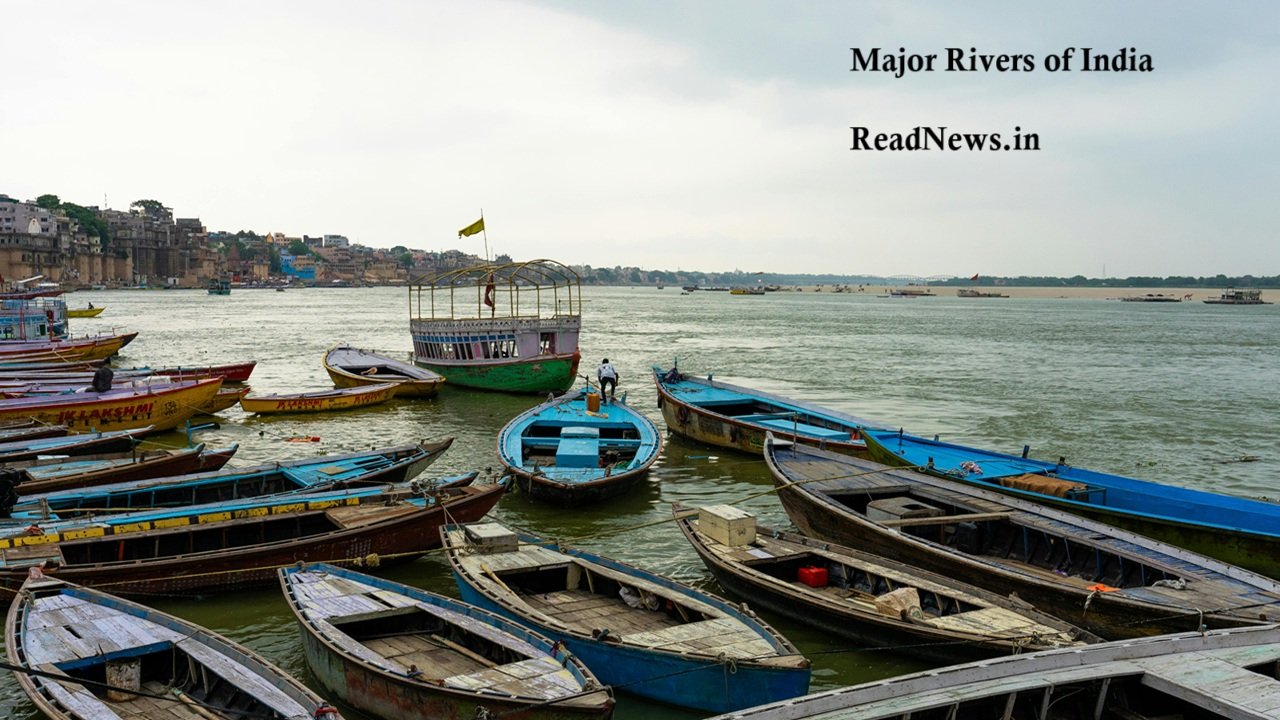
Introduction to India’s River Systems Rivers hold a place of paramount significance in India, influencing a wide array of cultural, economic, and ecological facets of life. As one of the most diverse and populous countries, India is home to numerous river systems that not only serve as sources of freshwater but also play crucial roles…
-
Physiographic Divisions of India: Himalayas, Plains, Plateaus
Introduction to Physiographic Divisions The study of physiographic divisions presents a compelling framework for understanding the geographical layout of a nation. Physiographic divisions are classifications based primarily on the natural features of the Earth’s surface, and they significantly impact the climate, ecosystem, and human activities of a region. In the context of India, the remarkable…
-
Top 10 Most Iconic Landmarks in the USA
Introduction to Iconic Landmarks Iconic landmarks in the United States are not merely structures; they epitomize the rich historical and cultural tapestry woven through the nation’s narrative. These sites serve as embodiments of various epochs, showcasing architectural ingenuity while telling compelling stories of the American experience. From majestic bridges to towering skyscrapers, these landmarks represent…
-
Understanding the Strait of Hormuz and Its Significance to the Global Economy
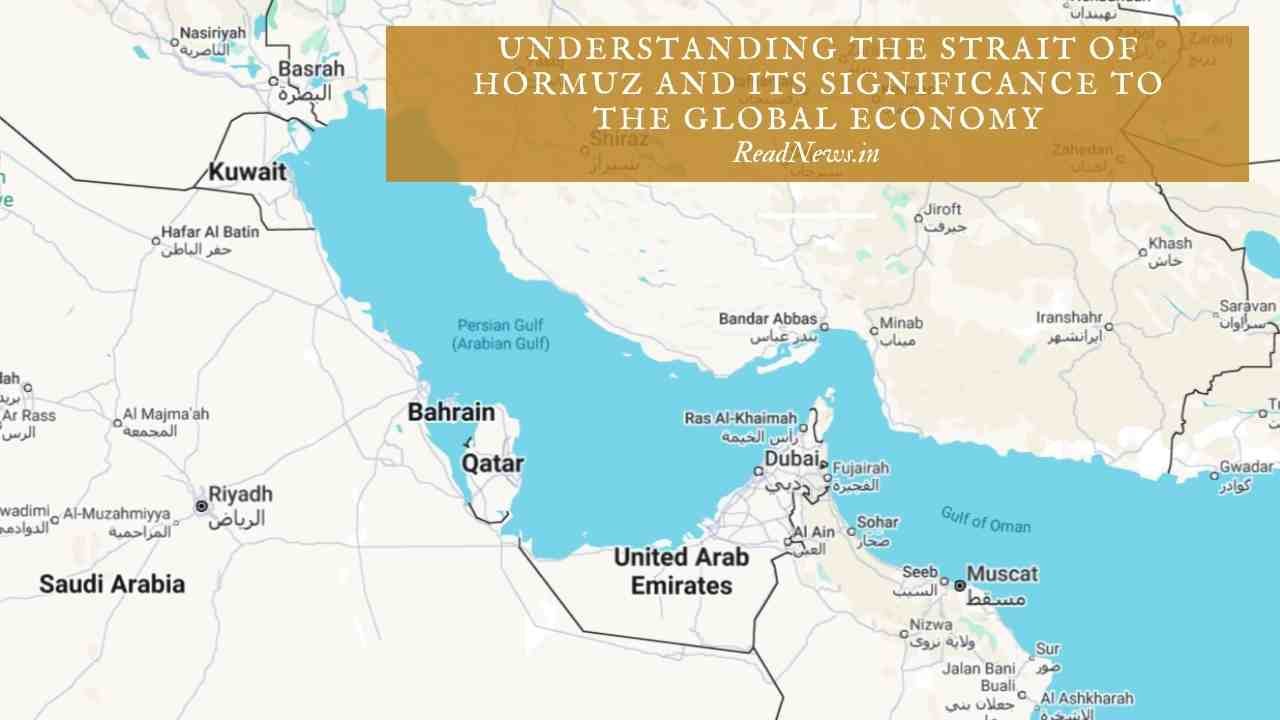
Introduction to the Strait of Hormuz The Strait of Hormuz is a strategically significant waterway located in the Middle East, connecting the Persian Gulf to the Gulf of Oman and the Arabian Sea. It lies between the southeastern coast of Iran and the Musandam Peninsula of Oman, serving as the only sea passage for oil…
-
The Evolution of Education: Trends, Challenges, and the Future

Introduction to Education Education serves as a cornerstone of society, playing a pivotal role in individual and collective development. It encompasses a multitude of processes through which knowledge, skills, values, and attitudes are imparted. Broadly, education can be categorized into formal, informal, and non-formal frameworks, each profoundly influencing personal growth and community advancement. Formal education…
-
Understanding Indian Elections: A Comprehensive Guide
Introduction to Indian Elections India, as the world’s largest democracy, conducts elections at regular intervals to empower its citizens and uphold their right to choose their representatives. The significance of these elections is paramount in shaping the political landscape of the country, affecting both governance and the socio-economic climate. In India, elections are not just…