

Introduction to India’s River Systems
Rivers hold a place of paramount significance in India, influencing a wide array of cultural, economic, and ecological facets of life. As one of the most diverse and populous countries, India is home to numerous river systems that not only serve as sources of freshwater but also play crucial roles in the shaping of the landscape and the livelihoods of millions. The Ganga, Brahmaputra, and Godavari rivers are among the most prominent waterways in India, each offering unique contributions to the country’s environment and society.
Culturally, rivers in India are revered, often being personified and worshipped in various religions and traditions. The Ganga, for instance, is considered the holiest river by Hindus, representing purity and divinity. Such cultural reverence manifests in numerous rituals and festivals, further solidifying the rivers’ importance in the socio-cultural ethos of the country. Economically, rivers facilitate irrigation, support agriculture, and are vital for both domestic and industrial water supply. The alluvial plains created by river systems enable extensive agricultural practices that are indispensable for food production and the country’s economy.
Ecologically, the river systems of India maintain diverse ecosystems, providing habitats for various species of flora and fauna. Wetlands, floodplains, and riverbanks serve as crucial biodiversity hotspots that significantly contribute to environmental sustainability. The interaction of these ecosystems with riverine systems also plays a key role in maintaining the balance of the environment, regulating water cycles, and controlling floods. Furthermore, understanding the dynamics of these river systems is essential for managing water resources in the face of climate change and increasing human activities. This exploration will delve deeper into key river systems, illustrating their multifaceted impact on India’s geography and the lives of its people.
The Ganga River: Lifeline of India
The Ganga River, often referred to as the lifeline of India, is one of the most significant and revered rivers in the country. Originating from the Gangotri Glacier in the Himalayas, the river traverses a distance of approximately 2,525 kilometers before merging into the Bay of Bengal. Its journey takes it through several states, including Uttarakhand, Uttar Pradesh, Bihar, Jharkhand, and West Bengal, impacting millions of lives along its banks.
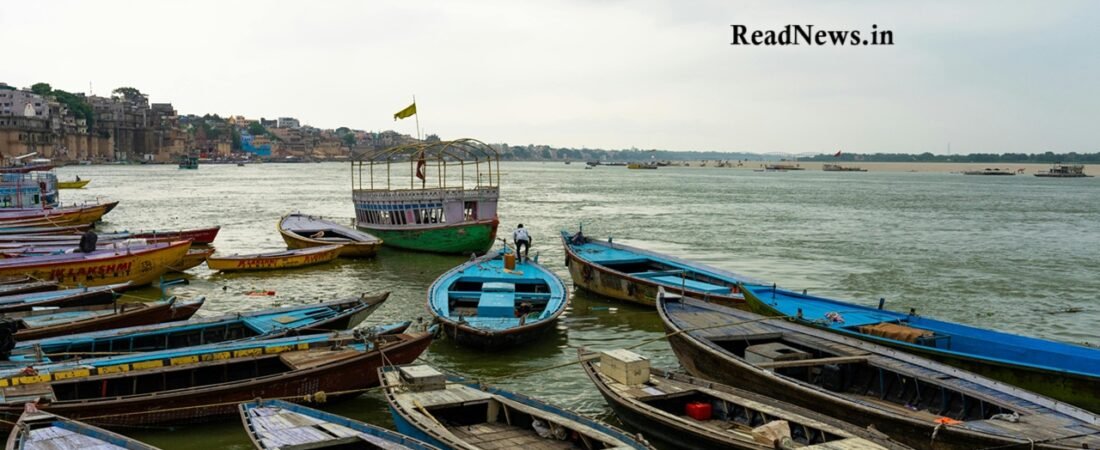
Historically, the Ganga holds immense cultural and spiritual significance for the people of India, particularly within Hinduism. Revered as a goddess, Ganga is believed to cleanse sins and offer salvation to those who bathe in her waters. The river is central to numerous rituals and festivals, including the Kumbh Mela, one of the largest gatherings of humanity for religious purposes in the world. This connection between the river and the cultural identity of the people underscores its status as a sacred entity.
Despite its revered status, the Ganga faces significant challenges today, most notably pollution. Industrial waste, agricultural runoff, and urban sewage discharge have severely compromised the river’s water quality, posing threats to the ecosystem and public health. The government and various non-governmental organizations have implemented several initiatives aimed at rejuvenating the river, such as the “Namami Gange” program, which seeks to reduce pollution, promote biodiversity, and ensure sustainable water management practices.
The preservation of the Ganga is crucial not just for environmental health, but also for the cultural heritage of India. As a lifeline supporting agriculture, drinking water supply, and fisheries, the river’s future is intertwined with the wellbeing of millions. Collective efforts towards the conservation of the Ganga River are essential to restore its sanctity and ensure it continues to nurture generations to come.
The Brahmaputra River: An Ancient Marvel
The Brahmaputra River, one of the major rivers in India, flows through a unique and complex journey. Originating from the Tibetan region, it is known as the Yarlung Tsangpo before entering India. The river traverses the majestic Himalayas, carving its path through the rugged terrain and preparing to journey through the northeastern states. This river has a significant impact on the geography, culture, and livelihoods of the communities along its banks.
As the Brahmaputra continues its descent into India, it flows through Assam, where it fosters an incredible diversity of ecosystems. The river’s floodplains and wetlands are among the richest biodiversity hotspots in the world, supporting various species of flora and fauna. Notably, the river basin is home to the one-horned rhinoceros and numerous migratory birds, which rely on the natural habitat provided by the riverine ecosystem. The Brahmaputra is a lifeline for the local communities, offering water for drinking, irrigation, and fishing. Many tribes, including the Ahom and Bodo, have steep cultural connections to the river, which features prominently in their folklore and traditions.
However, the Brahmaputra faces significant challenges, particularly in the form of floods and climate change. Seasonal monsoon rains can lead to devastating floods, displacing communities and damaging infrastructure. Climate change exacerbates these issues, leading to unpredictable weather patterns and increased sedimentation, which can impact the river’s flow. The rising intensity of floods threatens not only the human settlements but also the unique biodiversity that relies on the stable ecosystem of the Brahmaputra. Thus, it becomes crucial to adopt integrated management strategies to protect this ancient marvel while ensuring sustainable development for the communities dependent on it.
The Godavari River: The Southern Ganga
The Godavari River, often referred to as the “Southern Ganga,” is one of the longest rivers in India, measuring approximately 1,465 kilometers. It originates from the Western Ghats in the state of Maharashtra, precisely at the Trilokhuri shrine in the district of Nashik. The river then flows eastward across several states, including Maharashtra, Telangana, Andhra Pradesh, Chhattisgarh, and Odisha, before draining into the Bay of Bengal. The convergence of diverse topographies along its course significantly influences the river’s hydrology and ecology.
The Godavari is often regarded as a vital water resource for agriculture. The river’s basin is one of the most fertile regions in the country, supporting extensive cultivation of various crops such as rice, sugarcane, and pulses. Its waters are thus crucial for irrigation, contributing to the agricultural economy of the states it traverses. The river plays a prominent role, especially during the monsoon season when it swells with rainfall, enriching the surrounding lands and allowing local farmers to thrive.
In addition to its agricultural significance, the Godavari River is steeped in cultural heritage. Various rituals and festivals, such as the Godavari Pushkaralu or the Kumbh Mela, are celebrated along its banks, attracting thousands of pilgrims and tourists, further emphasizing the river’s spiritual importance. However, like many other river systems, the Godavari faces severe challenges related to water management. Issues such as pollution, over-extraction of water for agricultural use, and urban development continue to threaten the health of the river. These ongoing concerns need to be addressed to ensure the sustainability of the Godavari and the wellbeing of the communities relying on its resources.
Comparative Analysis of the River Systems
The Ganga, Brahmaputra, and Godavari rivers stand as monumental entities in India’s natural landscape, each with their unique characteristics and significance. When comparing their lengths, the Ganga is one of the longest rivers in India, stretching over 2,525 kilometers, while the Brahmaputra runs approximately 2,900 kilometers. The Godavari, though shorter at about 1,465 kilometers, remains one of the vital rivers, often referred to as the ‘Ganges of the South’ due to its cultural importance.
Furthermore, the basin areas of these rivers vary considerably. The Ganga river basin, being the largest, covers an expanse of about 1,086,000 square kilometers, while the Brahmaputra basin encompasses approximately 100,000 square kilometers. The Godavari basin, though smaller at 312,812 square kilometers, plays a significant role in supporting agriculture in the southern states of India.
Diversity in ecosystems is another important area of comparison. The Ganga basin is renowned for its biodiversity, hosting numerous species of flora and fauna, including the endangered Ganges River dolphin. In contrast, the Brahmaputra river system is known for its striking variety of wetlands and unique habitats, contributing to a diverse wildlife population, including the rare one-horned rhinoceros in Kaziranga National Park. The Godavari river promotes a different ecosystem, chiefly supporting agricultural lands and various fish species.
Culturally, all three rivers hold immense significance in India. The Ganga is revered as a sacred river in Hinduism, believed to purify the soul. The Brahmaputra is celebrated for its cultural heritage, particularly in Assam. Similarly, the Godavari has been integral to the rituals and traditions in southern India.
In conclusion, the Ganga, Brahmaputra, and Godavari represent not only significant geographical features but also rich cultural tapestries. Their varying lengths, basin areas, ecosystems, and cultural importance provide a comprehensive understanding of how these rivers have shaped and influenced human life in India.
Ecological Importance of Rivers in India
The Ganga, Brahmaputra, and Godavari rivers are pivotal to India’s ecological health, serving as life-giving streams that sustain a vast array of biodiversity. These rivers create rich habitats that support both aquatic and terrestrial species, fostering complex ecosystems that are crucial for environmental stability. The Ganga River, for instance, hosts numerous endemic species, including the Ganges river dolphin, while the Brahmaputra is renowned for its diverse bird population, including migratory and resident species. The Godavari, known as the ‘Dakshina Ganga,’ supports a variety of fish species, many of which are vital for local livelihoods.
Rivers play an essential role in ecosystem services, which include water purification, sediment control, and nutrient cycling. The natural filtration provided by riverine systems helps to maintain water quality, making them essential for both human use and wildlife sustainability. Furthermore, these rivers contribute to the fertility of surrounding lands through sediment deposition, which is critical for agricultural practices in the regions adjacent to the rivers.
Despite their ecological importance, the Ganga, Brahmaputra, and Godavari face significant threats due to urbanization, pollution, and climate change. Urban expansion along riverbanks has led to habitat destruction and the introduction of pollutants into these vital waterways, adversely affecting the flora and fauna. Climate change poses additional risks, including altered rainfall patterns and rising temperatures, which can further disrupt the delicate balance of these ecosystems. Effective conservation strategies are urgently required to mitigate these threats and ensure the health and sustainability of these crucial river systems for future generations.
Cultural Significance and Festivals Associated with the Rivers
The rivers Ganga, Brahmaputra, and Godavari are not merely geographical features; they are deeply interwoven with the cultural, spiritual, and social fabric of India. Each river holds unique significance in various rituals, festivals, and myths that reflect the collective identity of the regions they traverse.
The Ganga, often referred to as the “Ganges,” is regarded as the holiest river in Hinduism. Its banks are lined with countless temples and ghats where millions of devotees perform rituals. The annual festival of Kumbh Mela, a grand congregation of pilgrims, is held at four locations along the Ganga and is one of the largest religious gatherings globally. Here, devotees take sacred baths, believing it purifies their souls and washes away sins.
Similarly, the Brahmaputra nurtures a rich cultural tapestry in the northeastern states of India. The river is celebrated in various forms of art, literature, and festivals such as Bihu, which marks the Assamese New Year. During this time, people engage in traditional dance and music, reflecting the river’s life-sustaining quality and its role in agricultural prosperity.
The Godavari, known as the “Ganga of the South,” is revered for its religious significance as well. Festivals like the Godavari Pushkaralu, held every twelve years, attract large numbers of pilgrims who come to cleanse themselves in its waters. Various rituals performed here enrich the spiritual traditions, tied closely to the seasonal dynamics of the river.
Overall, these rivers are vital not just for their physical presence but for the rich cultural practices they inspire. They serve as a source of artistic expression, literary themes, and spiritual experiences, nurturing and sustaining diverse communities throughout India. The profound connection between these rivers and the people manifests in varied forms, underscoring their significance in India’s cultural landscape.
Challenges Facing India’s River Systems
India’s river systems, including the Ganga, Brahmaputra, and Godavari, are vital for the country’s ecology, economy, and cultural heritage. However, these rivers are now facing significant challenges that threaten their health and sustainability. One prominent issue is pollution. Industrial waste, agricultural runoff, and untreated sewage are often discharged into these waterways, leading to severely degraded water quality. As a consequence, aquatic life suffers, and the health of local communities is at risk due to waterborne diseases. Awareness and action are critical to mitigating these pollution sources.
Another major challenge is the over-extraction of water. With the increasing demand for irrigation, industry, and drinking water, many rivers are being drained faster than they can replenish. This unsustainable practice not only depletes river systems but also disrupts ecosystems and diminishes the water available for future generations. Therefore, policies and management practices must be enacted to ensure that water resources are utilized efficiently.
Damming is yet another significant concern. While dams can provide essential benefits such as hydroelectric power and irrigation, they also alter the natural flow of rivers, affecting habitats and species adapted to specific environmental conditions. The construction of dams can lead to sedimentation and change the ecological dynamics of the river system, further decreasing biodiversity.
Lastly, climate change exacerbates all these issues, leading to unpredictable weather patterns, altered rainfall, and increased frequency of extreme weather events. As rivers rely on balanced rainfall to maintain their flow, the impacts of climate change may heighten the stress on these vital water sources. To address these multifaceted challenges, there is an urgent need for sustainable management practices that prioritize long-term health over short-term gains, ensuring the preservation of these important river systems for future generations.
Conclusion: The Future of Rivers in India
The rivers of India, particularly the Ganga, Brahmaputra, and Godavari, play a crucial role in the country’s ecology and culture. These major river systems provide water resources that support agriculture, drinking water, and industrial activities, making them invaluable to India’s development. However, the increasing pressures from urbanization, industrial pollution, and climate change pose significant threats to these essential water bodies. Effective conservation efforts are required to ensure the sustainability of these rivers for future generations.
Community involvement is pivotal in the protection and restoration of India’s river systems. Local communities can serve as the first line of defense against pollution and overexploitation. By promoting initiatives that encourage responsible water management and engage citizens in conservation projects, communities can foster a stronger relationship with their local rivers, ultimately benefitting both the environment and local livelihoods. Education and awareness campaigns further empower citizens to understand the importance of maintaining healthy river ecosystems.
Moreover, incorporating sustainable development strategies that prioritize the health of rivers can promote resilience against environmental changes. Efforts to revitalize the rivers should involve collaborative approaches that include government agencies, non-governmental organizations, and local populations. These partnerships can lead to innovative solutions that balance developmental needs with ecological preservation. Increasing public awareness about the adverse effects of water pollution, climate change, and habitat destruction is essential to instilling a conservation mindset among future generations.
In conclusion, the future of India’s rivers hinges on committed conservation efforts, active community participation, and an educated public. Together, we can safeguard these vital water resources, ensuring they remain a fundamental part of India’s heritage and ecological framework for years to come.