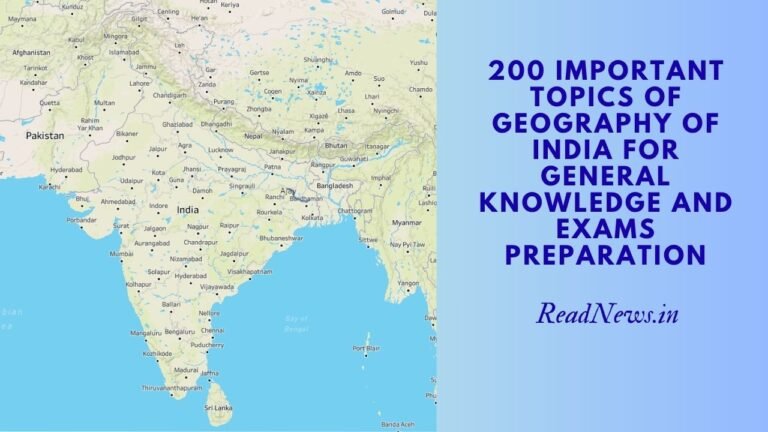


Introduction to the Indian Monsoon System
The Indian monsoon system is a complex climatic phenomenon that plays a pivotal role in shaping the weather patterns of the Indian subcontinent. This system is characterized by seasonal changes in wind patterns, leading to the onset of heavy rainfall between June and September. The foundation of the monsoon is largely attributed to the differential heating of land and sea, which creates pressure variations that result in significant moisture-laden winds flowing towards the Indian mainland.
The significance of the monsoon rains extends beyond mere seasonal changes; it is instrumental for agriculture and the economy of the region. The majority of India’s agricultural practices are rainfed, making the monsoon vital for crop production. The timely occurrence and adequate distribution of rainfall during this season set the stage for healthy yield of staple crops such as rice, wheat, and pulses. Furthermore, the Indian economy relies heavily on agriculture, thus linking the success of the monsoon with economic stability and growth.
In addition to agricultural implications, the monsoon system influences water resources, hydropower generation, and even fisheries. Regions dependent on river systems for irrigation and domestic use anticipate the arrival of the monsoon to replenish their water supplies. The arrival of optimal rainfall not only sustains agricultural output but also plays a crucial role in maintaining overall economic health. However, it is also worth noting that variability in monsoon patterns can lead to severe consequences. Excessive rains may cause flooding, while inadequate rainfall can lead to droughts, disrupting both livelihoods and food security.
In summary, understanding the Indian monsoon system is essential for recognizing its profound impacts on the region’s agriculture, economy, and community resilience. Such insights are crucial for implementing effective strategies to mitigate the impacts of monsoon variability.
Mechanism of the Indian Monsoon
The Indian monsoon system is a complex meteorological phenomenon characterized by its unique reliance on various geographical and oceanic elements. Central to this system is the Indian Ocean, which plays a pivotal role in generating moisture-laden air essential for monsoonal rains. During the summer months, the ocean warms, causing the air above it to heat up as well. This heated air rises, creating a low-pressure zone over the northern Indian subcontinent, thereby drawing in cooler and moisture-rich air from over the Indian Ocean.
Furthermore, the monsoon winds are not merely a product of temperature fluctuations; they are significantly influenced by the patterns of the broader atmospheric circulation. The southwest monsoon winds emerge from the Arabian Sea and the Bay of Bengal, gaining moisture as they travel over these bodies of water. Upon reaching the subcontinent, these winds encounter the formidable Himalayan mountain range. The presence of these mountains plays a vital role by inducing orographic lift, which further cools the rising air and leads to condensation and precipitation.
In addition to the oceanic and geographic factors, the temperature differential between land and sea is crucial for the onset of the Indian monsoon. During the months leading up to the monsoon, land temperatures increase significantly compared to sea temperatures. This contrast drives the formation of a strong thermal low over the landmass, enhancing the monsoon winds. When the wind patterns shift from a prevailing dry condition to a humid state, it marks the onset of the seasonal rains that are essential for agricultural activity and replenishment of water resources in the region.
Variability of the Indian Monsoon
The Indian monsoon exhibits significant variability, influenced by various climatic factors and phenomena. This variability can be observed both temporally, with fluctuations from year to year, and spatially, across different regions of India. The monsoon season, which typically spans from June to September, often presents a pattern of irregular rainfall distribution, leading to droughts in some regions while causing flooding in others. Such inconsistencies can have profound impacts on agriculture, water resources, and the overall economy of the affected areas.
One of the most critical factors contributing to the variability of the Indian monsoon is the ENSO (El Niño-Southern Oscillation) phenomenon. El Niño, characterized by warmer-than-average sea surface temperatures in the central and eastern Pacific, tends to weaken the Indian monsoon, resulting in below-average rainfall. Conversely, La Niña, which indicates cooler ocean temperatures in the same regions, generally correlates with a stronger monsoon, leading to enhanced rainfall across India. The interplay between these two phenomena illustrates how interconnected global climatic systems can profoundly influence local weather patterns.
Moreover, the impact of climate change on monsoon variability is a growing concern among researchers and policymakers. Rising global temperatures can alter oceanic and atmospheric patterns, potentially leading to more extreme weather events associated with the monsoon. Changes in precipitation patterns, intensity, and frequency may increase risks such as floods or prolonged dry spells, exacerbating challenges in water management and food security.
In summary, understanding the variability of the Indian monsoon is crucial for effective planning and mitigation strategies to cope with its changing patterns. Addressing the complexities posed by phenomena like El Niño and La Niña, alongside the overarching influence of climate change, will be essential for sustaining the agricultural and economic stability of India.
Historical Trends in Monsoon Rainfall
The Indian monsoon is a complex system with profound implications for the country’s agricultural productivity and water resources. Over the decades, historical data reveals significant trends in monsoon rainfall, marked by fluctuations that influence regional climates and ecosystems. In a typical year, the Indian monsoon brings an average of 700 millimeters of rainfall, but this quantity can vary drastically.
The analysis of long-term precipitation records indicates an overall increasing trend in monsoon rainfall in some regions, while others have reported a decline. For instance, the eastern coastal states have experienced excess rainfall during certain periods, which has led to instances of flooding and erosion. Conversely, states like Maharashtra and Gujarat have faced significant droughts due to deficient monsoon rains, highlighting the variability inherent in this weather phenomenon.
Several studies have documented noteworthy drought events, such as the severe drought of 2002, which prompted concerns over water management and agricultural sustainability. The 2015 monsoon also brought intense rainfall, leading to flooding in many parts of the country. These events emphasize the disruption caused by irregularities in monsoon patterns, impacting the livelihoods of millions who depend on agriculture.
Additionally, climate change has introduced new complexities to monsoon dynamics. The rising global temperatures are believed to affect the monsoon’s onset and retreat, altering its intensity and the distribution of rainfall. Consequently, fluctuations in monsoon behavior are becoming more pronounced, necessitating a reevaluation of agricultural practices and water resource management in India.
Understanding these historical trends in monsoon rainfall allows policymakers and researchers to develop strategies that can mitigate the effects of droughts and floods, ultimately ensuring the resilience of communities affected by the monsoon’s variability.
Impact on Agriculture and Food Security
The Indian monsoon is a critical driver of agriculture, influencing not only crop yields but also the livelihoods of millions of farmers across the country. The monsoon typically begins in June and lasts until September, delivering approximately 80% of India’s annual rainfall. This seasonal precipitation is vital for the cultivation of various traditional crops, including rice, wheat, and pulses, which form the backbone of the country’s food security.
Variability in the monsoon season can have profound effects on agricultural productivity. For instance, excessive rainfall can lead to flooding, damaging crops and displacing farmers, while insufficient rainfall can result in drought, severely impacting yields. Such fluctuations force farmers to adapt their farming practices, often resorting to contingency plans that may include changing the timing of sowing or switching to more resilient crop varieties. Crop diversity becomes crucial in this context, as farmers may opt for traditional varieties that are better suited to withstand variations in precipitation.
The relationship between the monsoon and food security is complex. A good monsoon season can lead to a bumper harvest, improving the food supply and resulting in lower prices. Conversely, a poor monsoon can cause food shortages and inflate prices, disproportionately affecting the poorer sections of society who are more vulnerable to food insecurity. Additionally, agriculture in India is primarily rainfed, making farmers highly susceptible to monsoon variability.
Moreover, climate change adds another layer of complexity, with altered rainfall patterns expected in the future. As farmers face increasingly erratic monsoon patterns, addressing issues of food security will require innovative agricultural practices, effective policy interventions, and a focus on sustainability. Thus, the impact of the Indian monsoon on agriculture and food security cannot be understated, and understanding its variability is essential for developing strategies to safeguard farmer livelihoods and ensure a stable food supply.
Socio-economic Impacts of the Monsoon
The Indian monsoon system plays a pivotal role in shaping the socio-economic landscape of the country. Characterized by its seasonal rainfall patterns, the monsoon not only influences agricultural productivity but also has a significant effect on water supply, economic stability, and disaster management systems.
Agriculture, being the backbone of the Indian economy, heavily relies on the monsoon rains. Approximately 60% of the population is engaged in agriculture, and it is crucial for their livelihoods. Adequate rainfall during the monsoon season ensures the proper growth of crops, which in turn affects food security and rural income levels. Conversely, delayed or insufficient rainfall can lead to crop failures, threatening the economic stability of millions of farmers and potentially resulting in food shortages and rising prices in urban centers.
Moreover, the monsoon directly impacts water supply systems in both rural and urban regions. Effective monsoon rainfall replenishes reservoirs and groundwater levels, which are essential for drinking water, irrigation, and sanitation. Failures or excesses in monsoon patterns can exacerbate water scarcity or flooding, leading to severe ramifications for public health and infrastructure. The inefficient management of these water supplies can further entrench socio-economic disparities, where poorer communities often struggle to access clean water during droughts or floods.
Additionally, the variability of monsoon rains necessitates effective disaster management strategies. Flooding due to heavy monsoons in urban areas can disrupt transportation, damage property, and impact economic activities. It can also strain public services such as health care and emergency response. Therefore, understanding and responding to monsoon patterns is crucial not only for agricultural productivity but also for enhancing resilience within Indian society.
Climate Change and the Monsoon System
The Indian monsoon system, a critical component of the country’s climate, is increasingly influenced by the effects of climate change. As global temperatures rise, the dynamics of the monsoon are projected to undergo significant transformations. The intricate relationship between climate change and the monsoon is largely rooted in altered atmospheric conditions, ocean temperatures, and regional weather patterns.
Higher global temperatures can lead to increased evaporation rates, causing more moisture to be present in the atmosphere. This elevated moisture content has the potential to intensify monsoon rainfall. Conversely, erratic weather patterns may also result in prolonged dry spells, and such variability can significantly disrupt agricultural cycles, impacting food security across the region. Furthermore, the timing of the monsoon onset has been observed to shift, influencing not just agricultural practices but also water resource management.
Studies indicate that climate change is likely to exacerbate the already existing extremes associated with the monsoon, including heavier rainfall events and increased incidences of flooding. These extreme weather patterns could further strain infrastructure and public health systems. Adaptation strategies, therefore, become imperative in managing the anticipated changes. Proposed strategies include the implementation of efficient water management systems, development of resilient crop varieties, and enhanced forecasting models that utilize advanced technology to provide timely warnings of extreme weather events.
In conclusion, understanding the interplay between climate change and the Indian monsoon system is crucial for preparing adaptive measures. By recognizing the evolving nature of the monsoon, stakeholders can strategize effectively to mitigate risks posed by both droughts and floods in the context of a warming planet.
Challenges in Predicting the Monsoon
The Indian monsoon system, characterized by its significant variability and intensity, presents considerable challenges for meteorologists and scientists tasked with forecasting its behavior. One primary concern lies in the limitations of current forecasting models. Most models rely on historical data and simplified assumptions, which may not accurately depict the complex and dynamic nature of the atmosphere. As a result, there are recurring discrepancies between predicted and observed rainfall patterns, which can lead to inadequate preparation for the effects of the monsoon.
Furthermore, the intricacies of atmospheric patterns introduce additional complications. The monsoon is influenced by numerous factors, including ocean temperatures, wind patterns, and land surface conditions. For instance, the El Niño phenomenon, characterized by warmer ocean waters in the Pacific, can significantly alter monsoon activities. The unpredictable interplay between these factors often results in unpredictable weather, making it difficult for meteorologists to offer accurate long-term forecasts. As the climate continues to change, these deviations may become even more pronounced, adding another layer of uncertainty.
The implications of inaccurate monsoon predictions extend beyond mere inconvenience; they can have dire consequences for society. Agriculture, for example, is heavily reliant on accurate monsoon forecasts. A failure to predict a deficit in rainfall can lead to drought conditions, threatening food security and farmers’ livelihoods. Conversely, excessive rainfall can result in flooding, devastating crops and infrastructure. Ultimately, the ability to understand and predict the complex monsoon behavior is crucial for mitigating risks and enhancing disaster preparedness across affected regions.
Conclusion and Future Outlook
In conclusion, the Indian monsoon system plays a pivotal role in shaping the ecological and economic landscape of the country. Through its complex mechanisms and inherent variability, the monsoon influences agriculture, water resources, and overall climate patterns across the region. Understanding the nuances of this climatic phenomenon is not only crucial for predicting weather patterns but also for ensuring food security and promoting sustainable development.
As we look towards the future, it becomes increasingly clear that climate change presents significant challenges to the traditional monsoon patterns. Rising global temperatures, shifts in atmospheric circulation, and changing sea surface temperatures are likely to impact the intensity, timing, and distribution of monsoon rainfall. These alterations may lead to extreme weather events such as droughts and floods, with substantial implications for both urban and rural communities dependent on monsoon rains.
Ongoing research aimed at enhancing our understanding of the Indian monsoon is vital. This research should focus on improving predictive models that can offer more accurate forecasts, particularly under changing climatic conditions. Additionally, the implementation of adaptation strategies is paramount for managing the risks associated with monsoon variability. This may include developing resilient agricultural practices, investing in water management infrastructure, and promoting sustainable land use practices.
Moreover, a collaborative approach involving local communities, researchers, and policymakers will be instrumental in mitigating the adverse impacts of the changing monsoon system. By fostering awareness and equipping stakeholders with the necessary tools, it is indeed possible to navigate the uncertainties of the future more effectively.