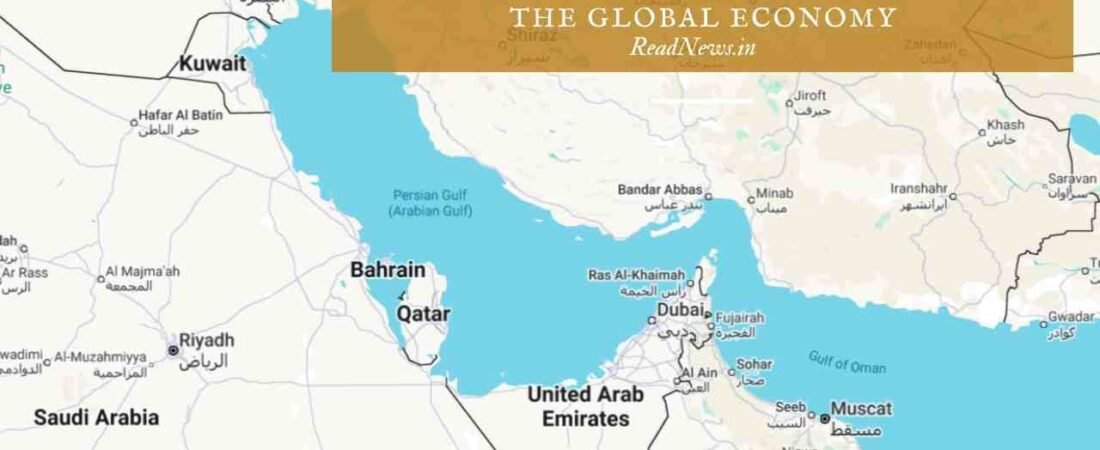


Introduction to the Strait of Hormuz
The Strait of Hormuz is a strategically significant waterway located in the Middle East, connecting the Persian Gulf to the Gulf of Oman and the Arabian Sea. It lies between the southeastern coast of Iran and the Musandam Peninsula of Oman, serving as the only sea passage for oil shipments from several countries in the Gulf region. With a width of approximately 21 miles (34 kilometers) at its narrowest point, this strait is one of the most crucial maritime chokepoints in the world.
Geographically, the Strait of Hormuz plays a vital role not just in regional commerce but also in the global economy. It is bordered by several countries, including Iran, Oman, the United Arab Emirates, and Saudi Arabia, all of which have interests in the shipping routes that traverse these waters. Around 20% of the world’s oil trade passes through this narrow strait, making it indispensable for international energy security.
The geographical positioning of the Strait of Hormuz amplifies its strategic importance, as any disruption could lead to significant implications for global oil prices and supply chains. This vulnerability has fostered a complex geopolitical landscape around the strait, involving various stakeholders and nations with vested interests. Additionally, military presence and maritime security operations have increased in response to threats and conflicts affecting the passage, underscoring the strait’s relevance in contemporary global affairs.
In essence, the Strait of Hormuz not only serves as a critical transit route for oil and gas but also encapsulates the intricate tapestry of geopolitics, economics, and maritime operations that define the stability of energy markets worldwide.
Historical Context of the Strait of Hormuz
The Strait of Hormuz, a narrow chokepoint between the Persian Gulf and the Gulf of Oman, holds a strategic position that has been of great significance throughout history. This vital waterway has facilitated maritime trade for centuries, serving as a conduit not only for the transport of goods but also for cultural exchange between civilizations. Its importance can be traced back to ancient trade routes that linked the East and West, making it an essential passage for merchants and empires alike.
In antiquity, the Strait was known to various civilizations. The Persian Empire recognized its value for trade and military purposes, and over the centuries, numerous kingdoms and tribes have vied for control over this crucial maritime route. The Arab traders of the 7th century, for instance, navigated the strait to connect the Mediterranean world with the rich markets of India and beyond, showcasing its longstanding role in facilitating commerce.
As global trade evolved, the importance of the Strait of Hormuz became even more pronounced. By the age of exploration in the 15th century, European powers recognized the strait as a significant gateway for accessing the lucrative spice trade routes of Asia. Subsequent colonial pursuits further entrenched its geopolitical significance, as nations sought to secure trade interests and assert dominance over the passage. Throughout the 20th century, the Strait gained renewed importance due to the discovery of vast oil reserves in the Gulf region, making it a critical artery for the global oil supply.
Today, approximately one-fifth of the world’s oil production passes through this narrow waterway, underscoring its critical role in the contemporary economy. The history of the Strait of Hormuz is thus not merely a reflection of geographic significance but also an illustration of how economic interests and power dynamics have shaped its historical narrative. Understanding this rich contextual backdrop is vital in comprehending the strait’s ongoing relevance in global affairs.
Economic Importance of the Strait of Hormuz
The Strait of Hormuz, a narrow waterway connecting the Persian Gulf to the Gulf of Oman, plays a critical role in the global economy, primarily due to its significance in the oil and gas sectors. Approximately 20% of the world’s crude oil passes through this strait, with daily shipments during peak periods exceeding 18 million barrels. This figure underscores the geopolitical importance of the Strait of Hormuz, as a significant portion of the global oil supply depends on uninterrupted passage through this region.
The region surrounding the strait is rich in oil reserves, housing major producers such as Saudi Arabia, Iran, and the United Arab Emirates. As such, disruptions in this area can have widespread implications, affecting oil prices worldwide. For instance, an escalation in regional tensions or closure of the strait due to geopolitical conflicts can lead to immediate increases in global oil prices, reflecting the sensitivity of oil markets to disruptions in supply routes.
Moreover, the Strait of Hormuz is not solely important for crude oil; it is also vital for the liquefied natural gas (LNG) trade. Asian economies, particularly China, Japan, and South Korea, rely significantly on gas imports from the Gulf region, making the strait an essential corridor for energy supplies. As demand for natural gas grows globally, the economic significance of this waterway continues to expand.
In conclusion, the Strait of Hormuz serves as a linchpin in the global energy supply chain. The economic implications of any disruptions to shipping through the strait can reverberate throughout the world economy, affecting not just oil and gas prices but also broader financial markets and economic stability in energy-dependent nations.
Geopolitical Tensions in the Region
The Strait of Hormuz, a vital maritime corridor, serves as a significant chokepoint for global oil shipping, accounting for roughly 20% of the world’s petroleum trade. Its strategic importance has made it a focal point for geopolitical tensions, particularly among countries such as Iran, the United States, and various Gulf states. The interests of these nations, coupled with their varying military presences in the region, contribute to a complex landscape of tension that has potential implications for global commerce.
Iran, which borders the strait, asserts its control over the waterway, often using threats to disrupt shipping routes as part of its broader strategy to exert influence in the region. This posturing is typically aimed at countering perceived encroachments by foreign powers, particularly the United States, which maintains a significant military presence in the Persian Gulf. The U.S. has established several naval bases and frequently conducts military exercises, reinforcing its commitment to protecting freedom of navigation in these critical waters.
Moreover, regional allies such as Saudi Arabia and the United Arab Emirates also play a crucial role in the security dynamics of the Strait of Hormuz. They are deeply invested in preventing Iran from gaining further power and influence, leading to heightened military readiness and significant arms expenditures in the region. These developments can sometimes lead to escalated tensions, sparking fears of potential conflict that could jeopardize not just the local economies but also the global oil supply.
As these geopolitical tensions continue to evolve, the stability of the Strait of Hormuz remains precarious. The international community must approach the situation with strategic diplomacy to mitigate the risks involved and ensure the smooth flow of trade through this essential maritime route. Such measures are vital to maintaining not just regional peace, but also safeguarding the health of the global economy as a whole.
Impact of Straits on Global Oil Prices
The Strait of Hormuz, a narrow passage that serves as a critical chokepoint for global oil transportation, plays a significant role in influencing oil prices worldwide. Over 20% of the total global oil supply passes through this strait, making it a vital artery for energy trade. Consequently, any disruption in this region can have far-reaching consequences on oil markets, affecting prices and overall economic stability.
Historically, various incidents in the Strait of Hormuz have led to notable fluctuations in oil prices. For example, in 2019, tensions between the United States and Iran escalated, leading to threats of closure of the strait. Market responses were immediate, with Brent crude oil prices rising by approximately 10% within a short span due to fears of supply disruptions. Such geopolitical tensions trigger speculative trading, exacerbating price volatility.
Another significant incident occurred in 2011 during the Arab Spring, when political instability in the region raised concerns regarding the security of oil shipments through the strait. As a result, oil prices surged, highlighting how geopolitical events can directly impact market sentiment and trading behavior. In these scenarios, the oil market reacts not only to current events but also to perceived future risks, which can further drive up prices.
The fluctuations experienced in oil prices as a consequence of developments in the Strait of Hormuz underscore the delicate interplay between geopolitical events and market dynamics. Investors and traders closely monitor the developments in this region, adjusting their strategies to mitigate risk. The response of international markets demonstrates the profound interconnectedness of geopolitical stability and global oil pricing.
In conclusion, the Strait of Hormuz remains a pivotal factor influencing global oil prices. Events occurring in this region reverberate through international markets, affecting everything from investment strategies to consumer fuel costs. Understanding this impact is crucial for stakeholders in the oil and gas industry as well as for policymakers worldwide.
Environmental Concerns Related to the Strait
The Strait of Hormuz is a critical passage for global oil transportation, playing a significant role in the international economy. However, this vital waterway also faces numerous environmental challenges that can have lasting repercussions on its marine ecosystems. One of the most pressing concerns is the risk of oil spills, which can occur due to tanker accidents or leaks. Given that a substantial percentage of the world’s crude oil passes through this strait, any spill could be devastating to marine life and local habitats, leading to long-term ecological damage.
Navigation hazards in the Strait of Hormuz further exacerbate these environmental issues. The strait’s narrow passage, coupled with heavy maritime traffic, increases the likelihood of collisions between vessels or grounding incidents. Such accidents not only pose a threat to the vessels involved but also to the surrounding environment, potentially resulting in pollution and habitat destruction. The dense traffic is accentuated by geopolitical tensions in the region, which may lead to heightened naval presence and accidental confrontations.
Moreover, military activities in the vicinity of the Strait of Hormuz further impact marine ecosystems. Military exercises, the presence of naval fleets, and strategic maneuvers can disrupt the delicate balance of the marine environment. Noise pollution from vessels and explosives can affect marine species, particularly those reliant on sound for navigation and communication, such as dolphins and whales. The introduction of invasive species through military operations or shipping activities can alter local biodiversity, further complicating conservation efforts in the region.
In light of these environmental challenges, it is essential for stakeholders to adopt proactive measures that mitigate risks associated with oil transport and military presence in the Strait of Hormuz. Ensuring robust safety protocols, implementing environmental protection regulations, and fostering international cooperation can help safeguard the marine ecosystems that are vital to the strait’s health and, by extension, the stability of the global economy.
International Efforts to Secure the Strait
The Strait of Hormuz, a critical maritime chokepoint, is pivotal to the global economy, with approximately 20% of the world’s oil passing through it. Recognizing its strategic importance, various international coalitions and nations have made concerted efforts to ensure the security of this vital waterway. These efforts primarily encompass naval patrols, diplomatic negotiations, and collaborative security measures.
Naval patrols have become a cornerstone of international security strategies in the Strait of Hormuz. Multiple countries, including the United States, the United Kingdom, and several Gulf Cooperation Council (GCC) states, have deployed naval vessels to monitor shipping lanes and deter potential threats from pirate activities or geopolitical tensions. Through the presence of naval forces, these nations aim to reassure commercial shipping firms and safeguard their shipping interests. Joint exercises and coordinated patrols enhance the effectiveness of these operations, demonstrating a unified approach to maintaining the freedom of navigation within the strait.
Diplomatic initiatives also play a significant role in enhancing the security of the Strait of Hormuz. Multilateral discussions involving regional powers and international stakeholders aim to address the underlying tensions that threaten the stability of the area. Mechanisms such as the Strait of Hormuz Security Agreement, though not fully realized, emphasize the necessity of cooperation between regional nations and outside powers to mitigate risks. Such diplomatic channels facilitate dialogue between nations with competing interests and provide frameworks for crisis management.
The effectiveness of these international efforts has been witnessed in various incidents where tensions could have escalated. While challenges continue to exist, the combination of naval and diplomatic actions has led to a more stable maritime environment. It is essential for all stakeholders to continue their commitment to ensuring the security of the Strait, not only for the sake of regional peace but also for safeguarding the global economy that relies on uninterrupted oil supplies.
Future Prospects for the Strait of Hormuz
The Strait of Hormuz, a vital maritime route, is expected to experience numerous changes in the coming years that will significantly impact its geopolitical and economic landscape. As one of the world’s key chokepoints for oil and gas shipments, fluctuations in energy production and shifts towards alternative energy resources could alter its importance. The global transition towards renewable energy sources may lead to a decrease in oil dependency, potentially diminishing the volume of traffic through this strait over time. However, while renewable energies gain traction, oil remains a critical component of global energy consumption, suggesting that the Strait of Hormuz will continue to hold substantial relevance in the near to medium term.
Moreover, political dynamics in the surrounding nations will play a crucial role in shaping the future of the Strait. Ongoing tensions and conflicts among key players like Iran, Iraq, the United Arab Emirates, and Saudi Arabia may lead to unexpected developments. These political shifts could create security challenges or even alter maritime trade agreements affecting shipping routes. As nations recalibrate their foreign policies and alliances, the stability of this strait will remain a focal point of concern and analysis.
In addition to energy production and political factors, emerging trade routes, including the potential rise of the Arctic routes due to climate change, may redefine global shipping patterns. Should these alternative routes be proven viable, they could reduce the volume of vessels passing through the Strait of Hormuz, altering its longstanding status as a crucial maritime passage. However, for the foreseeable future, it will still be indispensable for the transportation of oil and natural gas from the Middle East to global markets. Overall, the future of the Strait of Hormuz remains intertwined with broader shifts in energy demands, geopolitical developments, and evolving trade practices.
Conclusion: The Ongoing Relevance of the Strait of Hormuz
The Strait of Hormuz remains a pivotal maritime corridor, playing a crucial role in the global economy. Located between Iran and Oman, this narrow passage serves as the primary route for oil shipments from the Persian Gulf to international markets. Approximately one-fifth of the world’s oil supply transits through these waters, highlighting the strait’s significant impact on global petroleum prices and energy security.
Over recent years, geopolitical tensions in the region have underscored the strait’s strategic importance. Incidents involving shipping safety, regional conflicts, and regulatory shifts from major oil-exporting nations have the potential to disrupt the flow of oil and gas, creating ripple effects in markets worldwide. As such, the international community must closely monitor developments related to the Strait of Hormuz to safeguard its stability.
Furthermore, the economic implications extend beyond just oil. The strait’s significance also encompasses natural gas supplies and the broader shipping industry, as vessels transporting various goods traverse these critical waters. With shifting energy policies and the rise of alternative energy sources, the Strait of Hormuz will continue to be a focal point where energy diplomacy and trade intersect.
In conclusion, the Strait of Hormuz represents not only a vital passage for oil but also a barometer of international relations and economic patterns. Ongoing vigilance towards the subtle dynamics within this region is essential for maintaining the stability of global energy markets and, by extension, the health of the global economy. The strait will continue to command attention as a key asset in the economic landscape of the 21st century.